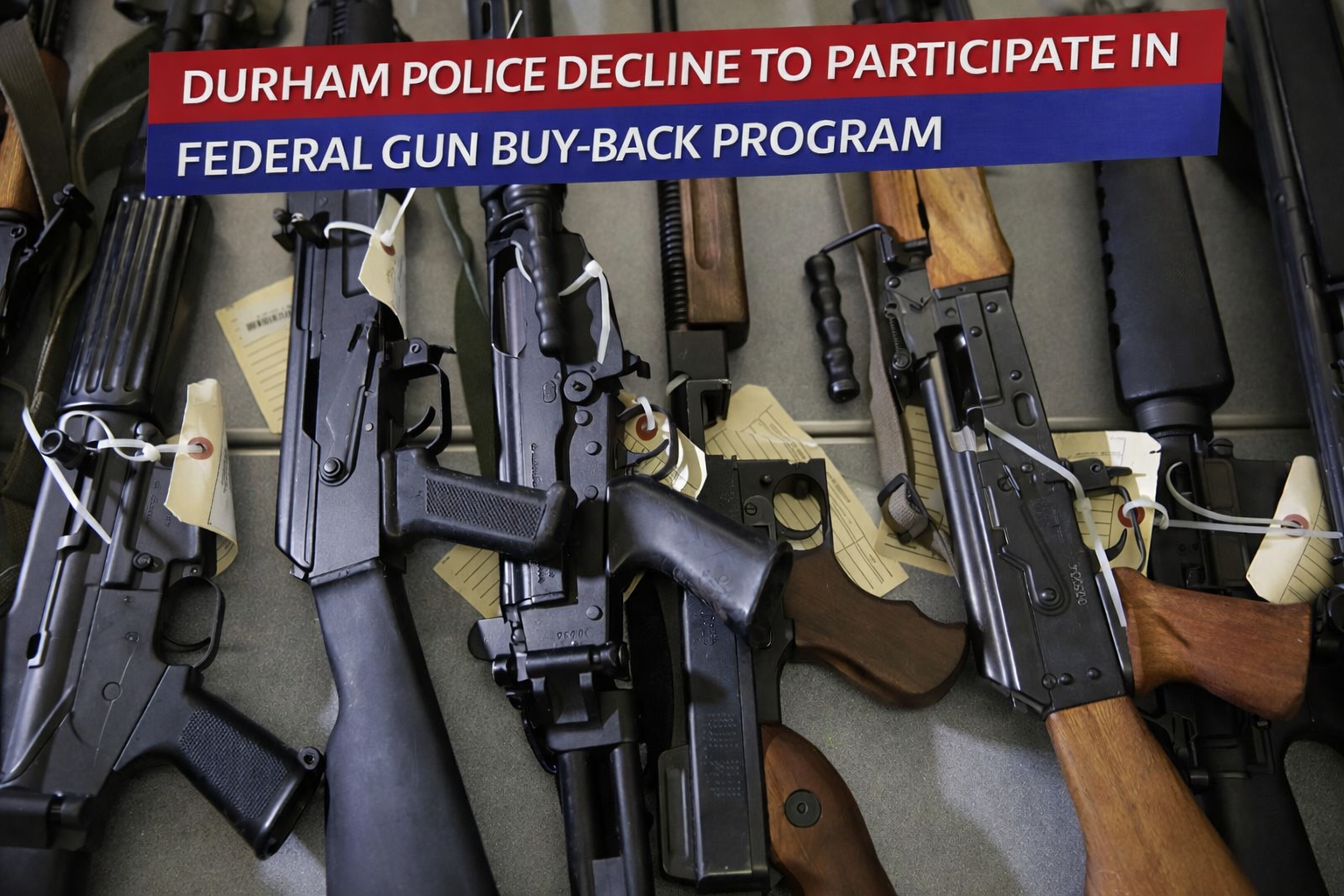
The Durham gun buyback program will not be supported by local police, as both the Durham Regional Police Service and the Durham Regional Police Service Board have declined to participate in the federal government’s Assault-Style Firearms Compensation program.
Durham Police Chief Peter Moreira said the decision was based on concerns about operational clarity, safety, and the availability of resources required to implement the program effectively.


“Significant gaps remain within the program, including insufficient operational clarity and resources to support safe and effective implementation,” Moreira said.


The federal government banned more than 2,500 makes and models of assault-style firearms in 2020 and later introduced the compensation program to provide an option for eligible individuals and businesses to comply with the law by surrendering prohibited weapons in exchange for financial compensation.
Public Safety Minister Gary Anandasangaree formally launched the program earlier this month. Participation is voluntary, and compensation is offered subject to available funding. For example, a semi-automatic Winchester Super Magnum could be eligible for compensation of $1,190.
While participation in the program is optional, compliance with federal firearms laws is mandatory. Owners of prohibited firearms must safely dispose of or permanently deactivate their weapons before the amnesty period expires on October 30, or face potential criminal liability.
Durham’s decision aligns with other jurisdictions across the country. Police services in Brantford and Sarnia have also declined to participate, while Waterloo Regional Police have said they remain uncertain. Provinces including Alberta, as well as Saskatchewan and the Northwest Territories, have expressed opposition to the program.
Chief Moreira said Durham police will continue working with federal and provincial partners to address gun violence, but believes local resources are better focused elsewhere.
“Violent crime involving illicit firearms continues to be a major concern in Durham Region and across Canada,” Moreira said. “With limited resources and increased public safety demands, DRPS must focus on initiatives that have the greatest impact on community safety — reducing violent crime, targeting repeat offenders, and removing illegal firearms from our streets. Public safety remains our top priority.”