








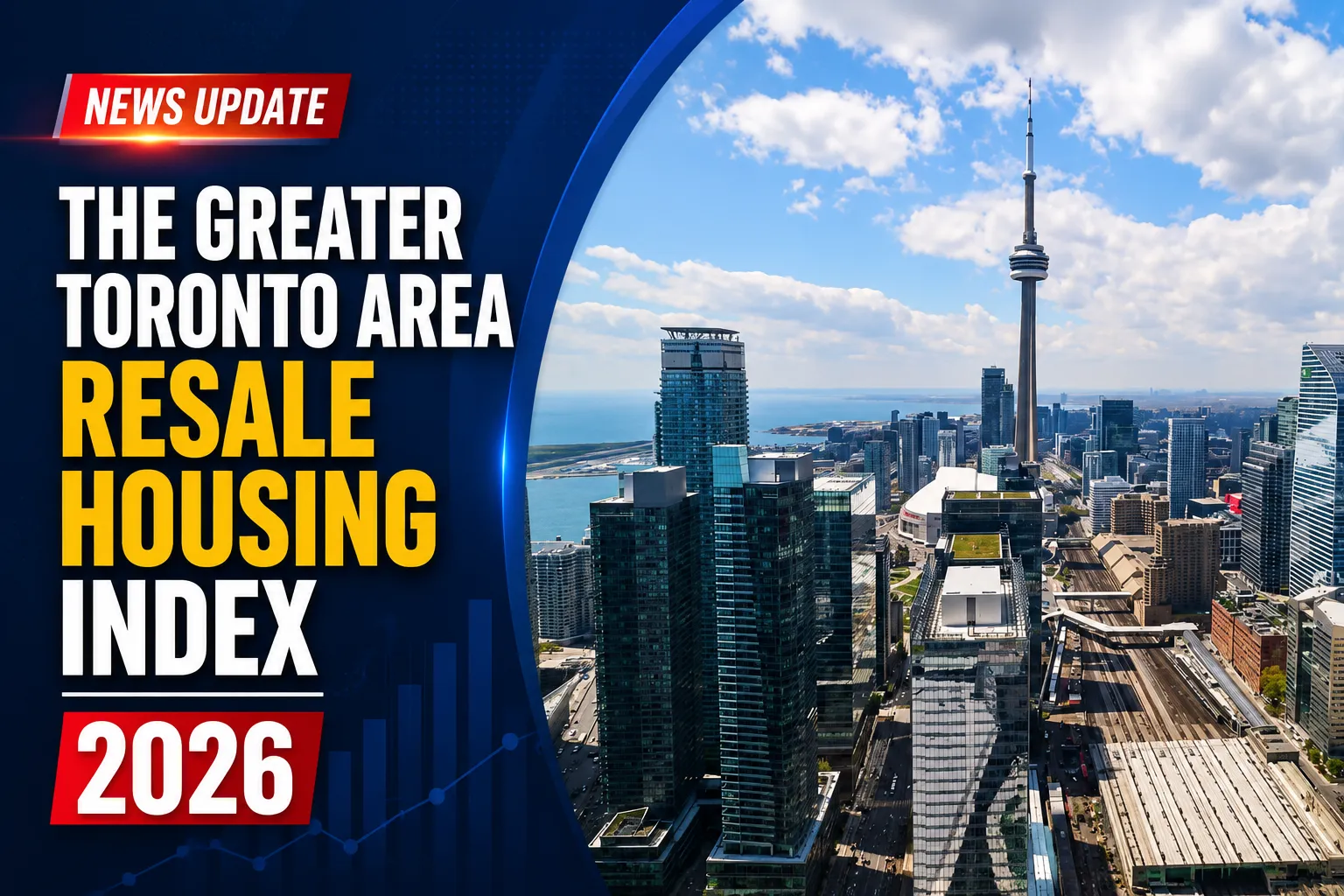




A pronounced contraction in available housing inventory has triggered a tightening of market parameters across the northern shore of Lake Ontario, steering a steady three-month climb in residential transactions. Under the transactional tracking ledger The Greater Toronto Area Resale Housing Index 2026, data released by the Toronto Regional Real Estate Board (TRREB) on Wednesday, June 3, 2026, confirmed that a total of 6,583 residential properties changed hands across the region last month. The late-spring transaction surge represents a distinct 6.3 per cent volume expansion compared to the same calendar window last year, revealing a progressive absorption of standing inventory by active buyers.
The sudden shift in sales dynamics comes as lower borrowing costs and descending property valuations prompt long-sidelined suburban buyers to re-enter local real estate channels.
The Multi-Tier Pricing and Volume Grid
The analytical data compiled for May 2026 indicates that while transaction rates are expanding significantly, residential acquisition costs continue to adjust downward. On a month-over-month seasonally adjusted basis, May sales outpaced April’s metrics by a substantial 10 per cent, confirming a rapid acceleration of buyer momentum as the summer buying block approaches.
Despite the steady tightening of the market, the regional average selling price across the GTA leveled out at $1,069,700—representing a clear 4.6 per cent decline relative to the May 2025 baseline. Concurrently, the MLS Home Price Index (HPI) Composite Benchmark, which tracks the valuation of a typical single-family home, compressed by 6.7 per cent year-over-year.
TRREB chief information officer Jason Mercer emphasized that this structural price cushion has granted buyers substantial negotiating power through the spring. However, Mercer warned that if sales continue to gain velocity while fresh listings drop, property values will level off entirely before entering a sustained upward trajectory into the latter half of the year.
Inventory Reductions and Legislative Alignment
The core catalyst behind the tightening market is a steep reduction in new property availability. The supply side of the registry reveals that realtors entered only 17,698 new listings into the MLS system over the course of the month, a sharp 18.9 per cent drop from the supply waves recorded a year ago.
| Real Estate Supply Metric | Total Active Inventory Pool | Year-over-Year Percentage Shift |
| New Monthly Listings | 17,698 Freehold & Condo Units | Down 18.9% Year-over-Year |
| Total Active GTA Inventory | 26,927 Total Properties | Down 13.3% Year-over-Year |
| Average Market Value | $1,069,700 Across All Demographics | Down 4.6% Year-over-Year |
| Composite HPI Benchmark | Typical Suburban Home Baseline | Down 6.7% Year-over-Year |
This systemic slowdown in listings dragged the total active inventory down by 13.3 per cent, leaving a total pool of 26,927 properties available for purchase across the region.
To address these chronic inventory constraints, TRREB Chief Executive Officer John DiMichele confirmed the board’s formal backing of Bill 98—the Building Homes and Improving Transportation Infrastructure Act of 2026. DiMichele noted that the new provincial legislation directly aligns with the board’s advocacy for removing municipal barriers to housing supply. By stripping away local red tape and accelerating construction timelines for attainable multi-family developments, the act aims to bring sustainable balance back to the real estate grid as Durham’s lakeside communities continue to expand.