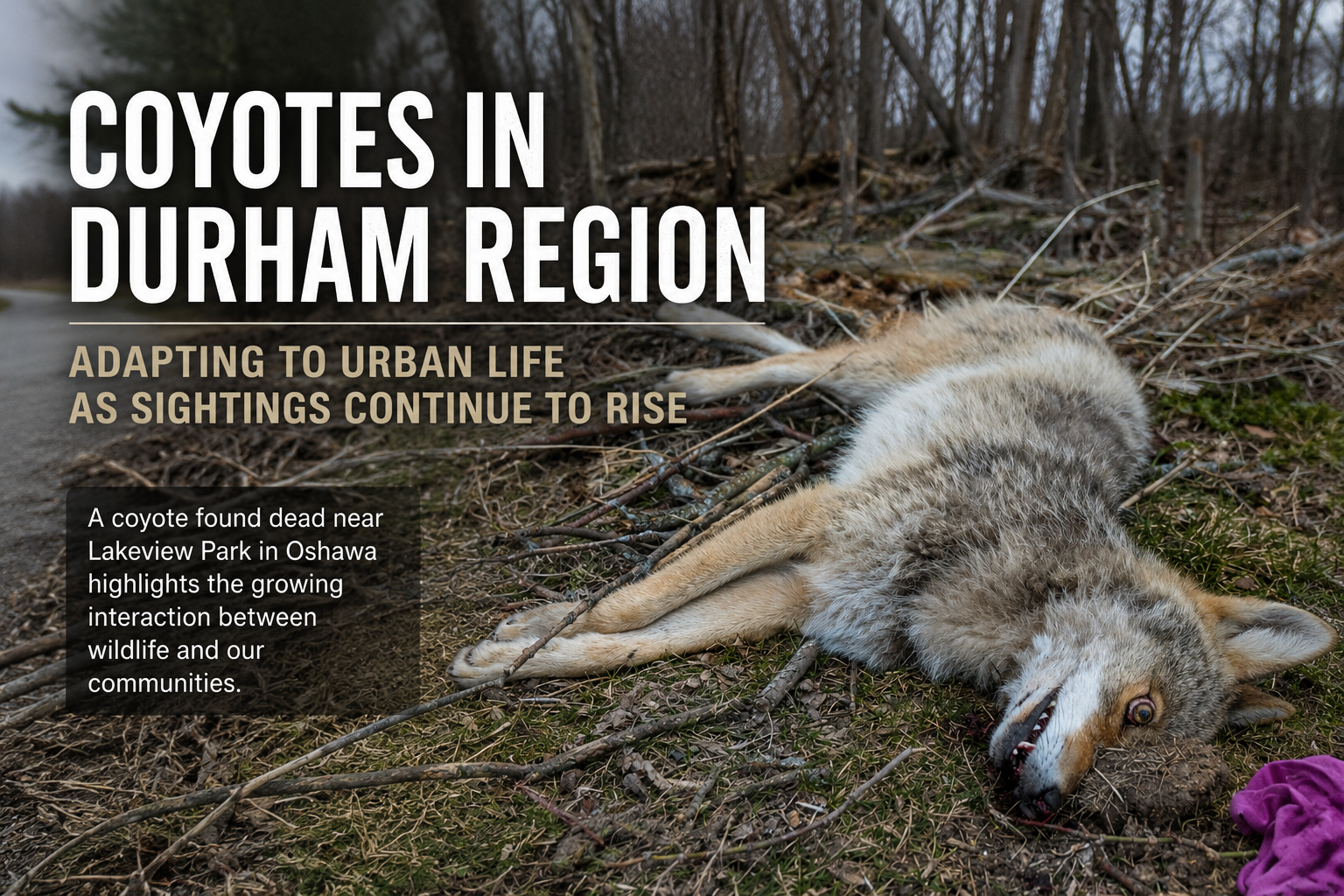
Residents across Durham Region, including Oshawa, Whitby, Ajax and Pickering, are reporting more frequent coyote sightings in parks, trails, neighbourhoods and green spaces. A recent sighting near Lakeview Park in Oshawa involved a deceased coyote discovered beside a wooded area, highlighting the growing interaction between wildlife and expanding urban communities.
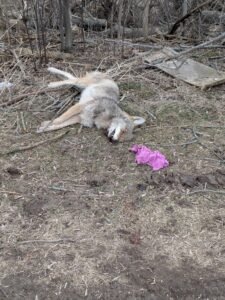
The images shared from the scene show the animal lying near the edge of a public trail and wooded brush area beside the waterfront park system. While the exact cause of death is unknown, wildlife experts note that vehicle collisions, illness, territorial disputes and starvation are among the most common causes of death for urban coyotes.
Coyotes have become well established throughout Southern Ontario over the last several decades. In Durham Region, they are commonly seen near hydro corridors, railway lines, ravines, conservation areas and waterfront trail systems that provide natural travel routes through urban environments.
According to the City of Oshawa Coyote Information Page, sightings often increase during specific seasonal periods, particularly during mating season in winter and pup rearing periods in spring.
Wildlife officials say most coyotes avoid humans and are typically active during dawn, dusk and nighttime hours. However, increasing urban development has forced many animals to adapt to city environments where food sources such as rodents, garbage, compost, bird feeders and unattended pet food can unintentionally attract them.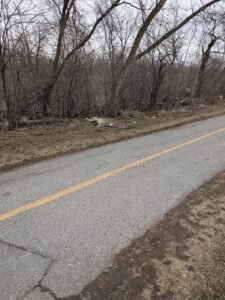 .
.
The Rise of the “Eastern Coyote” or “Coywolf”
Many of the coyotes seen in Ontario are not identical to the smaller western coyotes commonly associated with the American prairies. Southern Ontario is home primarily to the “Eastern Coyote,” sometimes informally called a “coywolf.” These animals carry a mixture of coyote and wolf DNA, making them generally larger than western coyotes and better adapted to forested environments.
Researchers say these hybridized eastern coyotes expanded across Ontario throughout the 20th century as forests changed and wolf populations declined. Today they occupy both rural and urban environments across much of the province.
Despite dramatic online stories, experts caution against sensationalizing the animals. Most coyotes remain cautious of people and play an important ecological role by controlling rodent populations and scavenging carrion.
Why Sightings Are Increasing
Several factors are contributing to more sightings throughout Durham Region:
• Expansion of subdivisions into natural habitats
• Mild winters increasing survival rates
• Easy access to human food sources
• Growth of urban trail systems and green corridors
• Reduced fear of humans when repeatedly exposed to people
The City of Oshawa recently reminded residents that spring denning season can lead to more visible activity as coyotes search for safe locations to raise pups.
Residents in local Facebook groups and online forums regularly report sightings in North Oshawa, waterfront trails, Rotary Park, creek systems and residential neighbourhoods.
Safety Around Coyotes
Wildlife experts recommend residents avoid feeding coyotes either intentionally or accidentally. Small pets should be supervised outdoors, especially during early morning or evening hours.
If a coyote approaches too closely, the recommended response is to:
• Stand tall
• Make noise
• Wave your arms
• Maintain eye contact
• Never run away
The City of Oshawa also asks residents to report coyote sightings so patterns and problem areas can be monitored.
A Growing Part of Urban Ontario
Whether viewed as a nuisance, a fascinating survivor, or an important predator within the ecosystem, coyotes are now firmly part of life in Southern Ontario. Encounters in places like Lakeview Park serve as another reminder that urban expansion and wildlife increasingly overlap across Durham Region.
As cities continue to grow, experts say coexistence and public awareness will become increasingly important in reducing conflict between people and wildlife.