









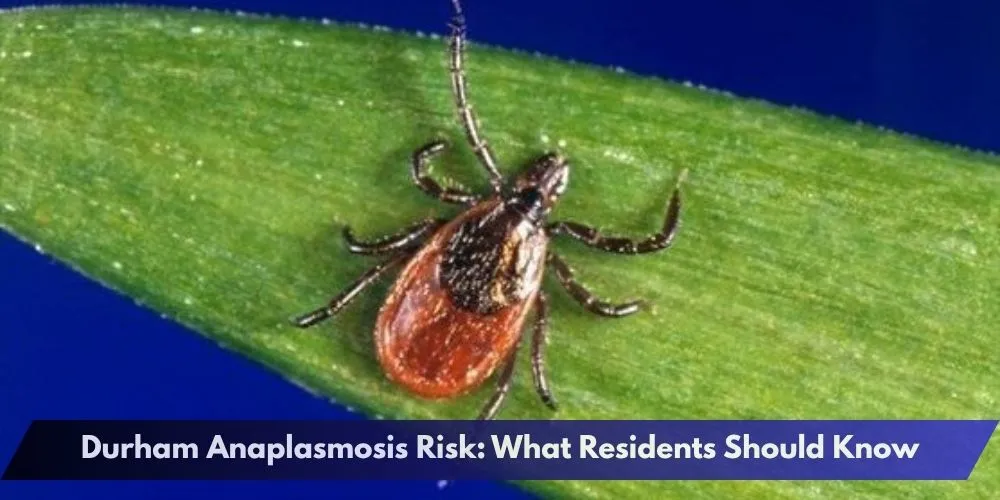
Residents spending time outdoors in Uxbridge and Clarington are being reminded to protect themselves from blacklegged ticks as Ontario records growing concern about anaplasmosis, a bacterial illness transmitted through infected tick bites.
The Durham anaplasmosis risk is relevant locally because blacklegged ticks are established throughout Durham Region. Recent public tick reports cited in the original provincial report included sightings in Uxbridge and Campbellcroft, a community in Clarington. Durham Region Health Department says tick-borne disease incidence is rising locally and that blacklegged ticks can transmit anaplasmosis, Lyme disease, babesiosis and Powassan virus disease.


What Is Anaplasmosis?
Anaplasmosis is caused by the bacterium Anaplasma phagocytophilum. It is mainly spread through the bite of an infected blacklegged tick. Not every tick is infected, and a person who is bitten will not necessarily become ill.


Symptoms usually begin within five to 21 days after a bite. Early signs can include fever, chills, headache, tiredness, muscle aches and joint pain. Some people may have few or no symptoms, while others can become seriously ill and require hospital care. Public-health guidance notes that delayed treatment or underlying medical conditions can increase the risk of complications such as breathing problems, bleeding or organ failure.
Anaplasmosis can resemble other infections, including Lyme disease, so laboratory testing and a patient’s history of possible tick exposure may be needed. The illness is treatable with antibiotics, but anyone who develops symptoms after a tick bite or time spent in wooded, brushy or grassy areas should contact a health-care professional promptly.
How Durham Residents Can Reduce Tick Bites
Durham Region advises residents to wear long pants, long sleeves, socks and closed footwear in wooded or brushy areas. Light-coloured clothing makes ticks easier to see. Repellents containing DEET or icaridin can be applied according to the product label.
After returning indoors, residents should check their entire body, children, pets, clothing and outdoor equipment. Showering within one to two hours can help remove ticks that have not yet attached. Clothing can be placed in a hot dryer before washing.
Ticks should be removed as soon as possible using fine-tipped tweezers. Grasp the tick close to the skin and pull upward gently and steadily without twisting, crushing or burning it. Clean and disinfect the bite area afterward. A photograph of the tick can be submitted to eTick.ca for identification and public surveillance.
Durham public-health guidance recommends contacting a health-care provider when a tick may have been attached for at least 24 hours or when symptoms develop after a bite. Residents may also speak with a pharmacist about whether preventive medication for Lyme disease is appropriate, but that decision depends on individual circumstances and does not replace medical assessment for possible anaplasmosis.
Outdoor Activity Can Continue Safely
The presence of ticks should not prevent residents from enjoying trails, parks and rural areas. Prevention, prompt tick checks and early medical attention remain the most effective protections.
The Durham anaplasmosis risk is part of broader concern about expanding blacklegged tick populations and tick-borne illnesses across Ontario. Residents of Uxbridge, Clarington and other Durham communities should use repellent, wear protective clothing and complete a careful tick check after outdoor activities.