The next major phase of the Durham-Scarborough Bus Rapid Transit (BRT) project is set to begin this Monday, April 20, with construction starting on a new $11 million segment in Ajax. This project will eventually create a seamless 36-km transit route from Scarborough Town Centre to downtown Oshawa, providing a critical link for the thousands of residents and workers expected to move into the Highway 2-Ellesmere corridor over the next two decades. The upcoming work will take place along Kingston Road, stretching from Rotherglen Road to just west of Harwood Avenue, and is expected to reach completion by the summer of 2027.
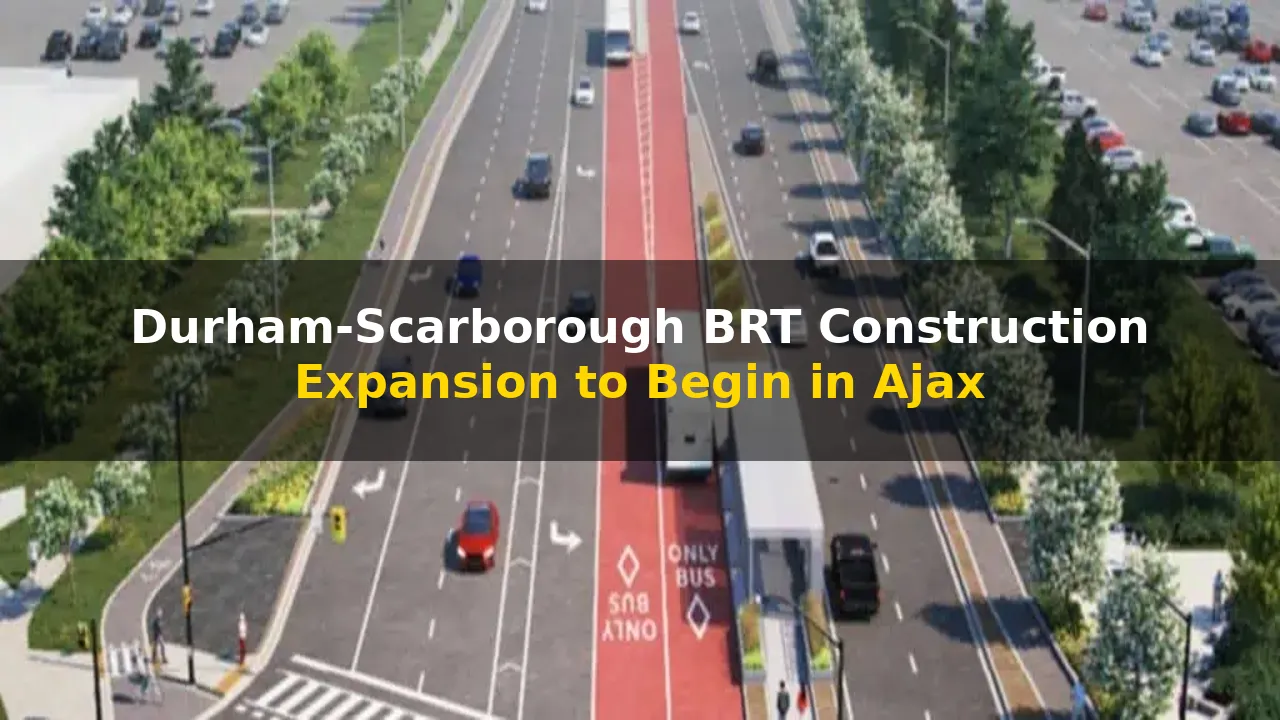
This new phase builds upon construction that began last August between Harwood Avenue and Galea Drive. The scope of the work is extensive, featuring the installation of dedicated median bus lanes and new transit stop platforms at key intersections, including Harwood Avenue and Salem Road. Beyond transit improvements, the project includes vital infrastructure upgrades such as new watermains to improve water pressure and sewer system enhancements to support sustainable regional development. For those using active transportation, the segment will introduce dedicated in-boulevard cycle tracks and upgraded sidewalks with improved accessibility features.
Commuters should be prepared for temporary traffic changes in the area. Lane shifts and restrictions will be implemented during off-peak hours starting next week. Later this fall, Kingston Road will be reduced to a single lane in each direction for extended periods to facilitate the construction of the median platforms. Despite these changes, Durham Region officials have confirmed that businesses, existing bus stops, and sidewalks will remain accessible throughout the construction period. Drivers are urged to exercise caution to ensure the safety of pedestrians and work crews.
The broader Durham-Scarborough BRT initiative is also pushing forward into Pickering this year. Sections from Steeple Hill to Merritton Road and Dixie Road to Bainbridge Drive are currently moving toward the tender process. These developments are essential for a transit network that aims to provide frequent, five-minute service during peak hours by 2030. Once fully operational, the dedicated right-of-way lanes will allow buses to bypass standard traffic, potentially saving commuters up to 20 minutes on their travel time along the corridor.
In addition to the main route, planning is underway for spur lines to connect the Oshawa Central GO station—located at the former Knob Hill Farms site—with Durham College and Ontario Tech University. The project’s goal is to offer residents more flexibility and faster travel options across Durham Region and into Toronto. As Durham-Scarborough BRT construction continues to expand, residents can stay informed on traffic impacts and project progress by visiting the region’s interactive traffic map.