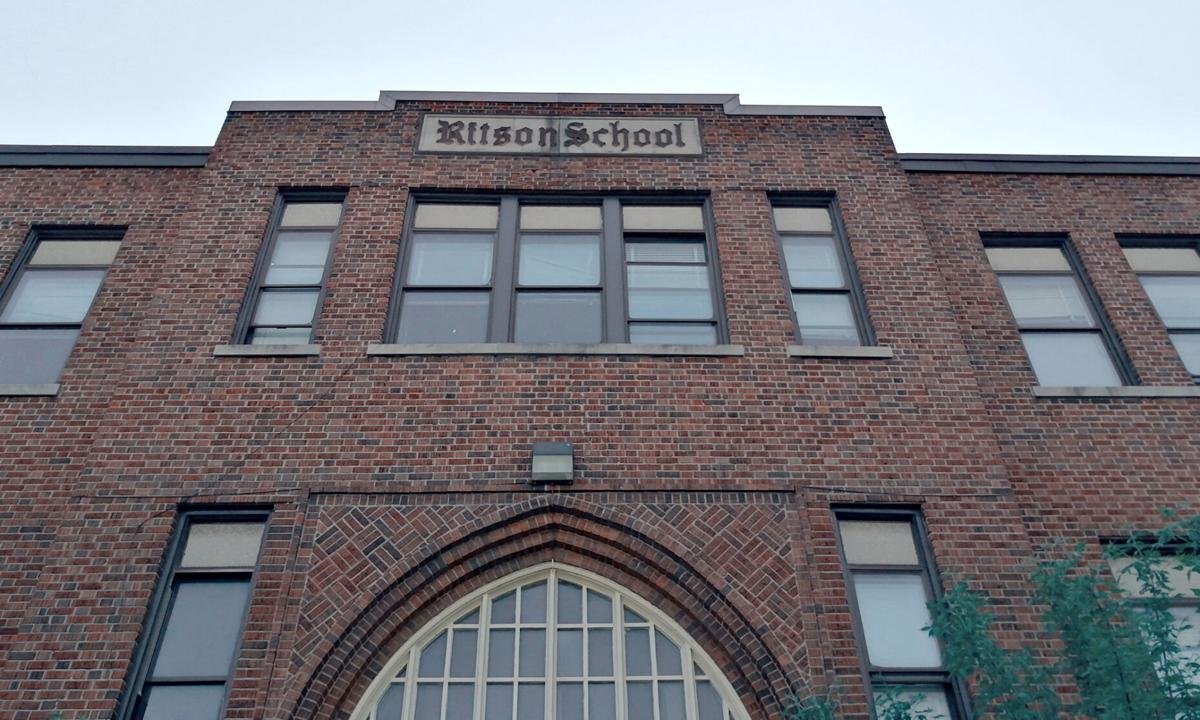
The Regional Municipality of Durham plans to apply for federal funding through Build Canada Homes to support a new housing development at the former Ritson Public School site in Oshawa.
Regional staff recently informed Oshawa city council that the project is part of a growing portfolio of shovel-ready housing initiatives being prepared for submission to Canada’s newly launched housing agency. The proposed development, located south of Stacey Avenue, would focus on supportive housing, while the broader site is also planned to include mixed-market and affordable housing units.
According to Gary Muller, Durham’s director of affordable housing development and renewal, the housing crisis is being intensified by economic pressures such as unemployment, inflation, and trade tariffs. He noted that the value of residential building permits across Durham Region has declined by approximately 18 per cent year over year, highlighting challenges in housing supply.
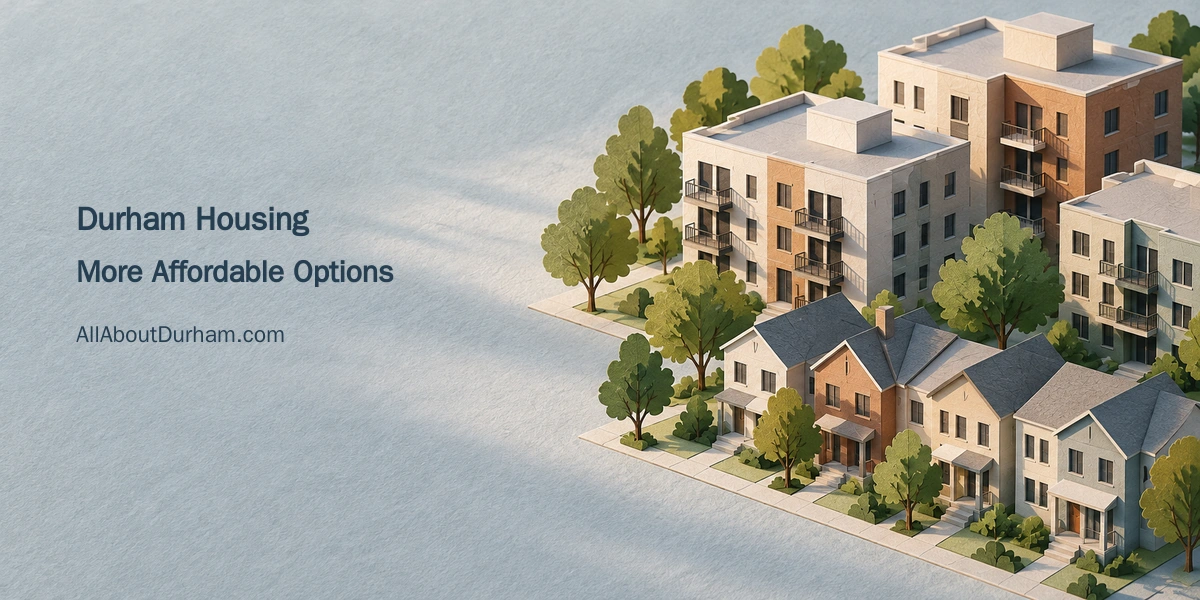
The proposed supportive housing building would rise four storeys and contain 50 rent-geared-to-income units, consisting of studio and one-bedroom apartments. Residents would have access to shared kitchens, dining areas, laundry facilities, and common spaces, as well as on-site areas for health care, counselling, and case management services.
Durham Region currently has over 8,500 people on its social housing wait-list, with 43 per cent living in Oshawa. Additionally, more than half of the nearly 1,500 residents experiencing homelessness across the region are located in the city.
Build Canada Homes, launched earlier this fall, has committed $1 billion toward supportive and transitional housing for individuals who are homeless or at risk of homelessness. Under this model, residents maintain their own living spaces while receiving ongoing supports to help them remain housed long-term.
Muller described the Ritson School proposal as a “series of wins,” noting that federal funding could allow for rapid construction, with an estimated build time of 12 to 18 months once approved.
The supportive housing building will follow crime prevention through environmental design (CPTED) principles, including controlled access, improved lighting, clear sightlines, and a balance between resident privacy and social connection.
Durham Region plans to proceed with engineering and architectural work in early 2026 and will bring the proposal forward to the City of Oshawa for pre-consultation once designs are finalized.
Photo Credits : Durham Region