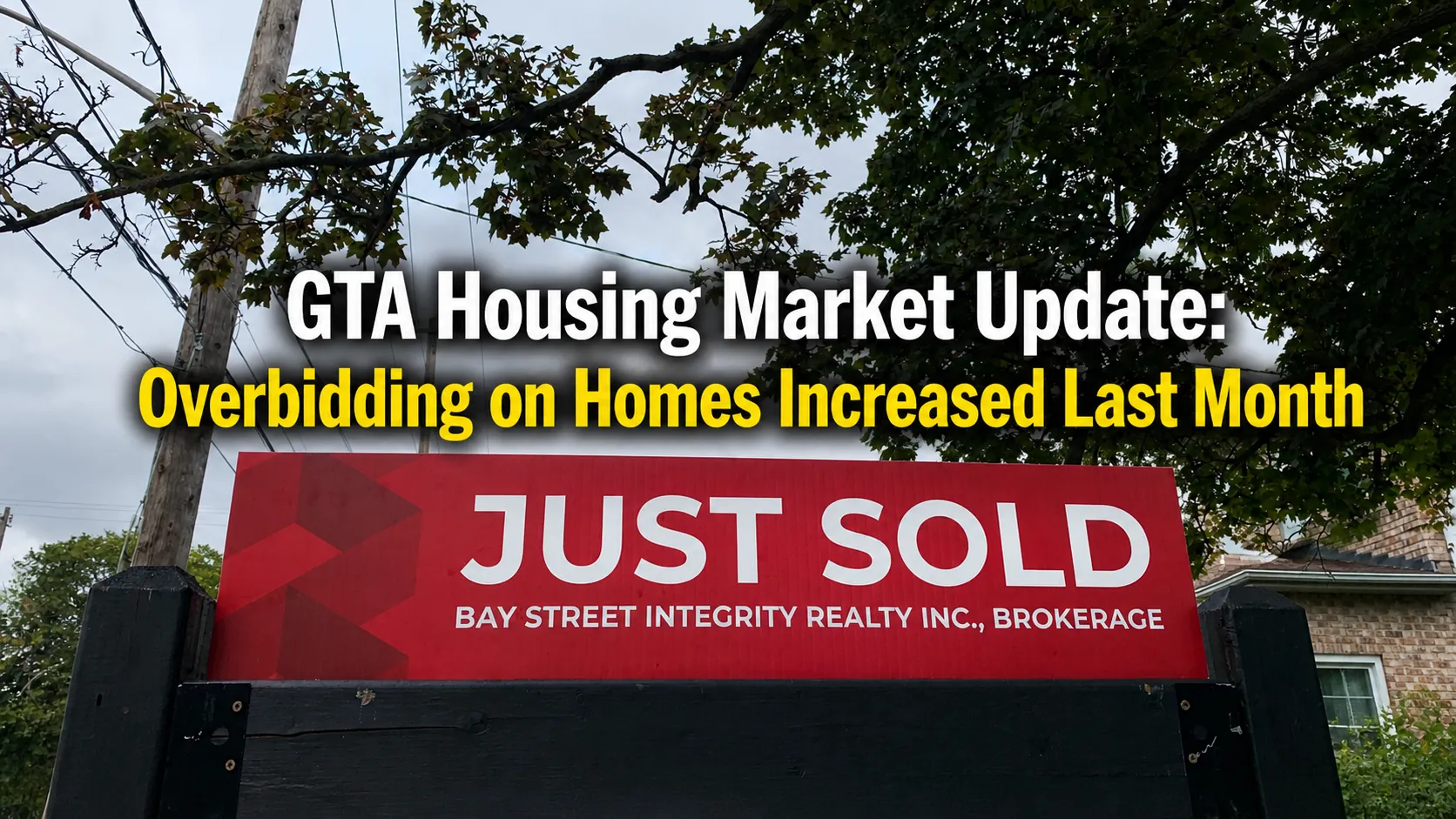
As soaring pricing metrics keep the broader Greater Toronto Area (GTA) low-rise housing market out of reach for many young families, an analytical market review has identified rare pockets of affordability. Newly compiled transaction data from Canadian digital real estate platform Wahi reveals that despite a sweeping GTA-wide home average valuation of $1,051,969, prospective buyers seeking traditional low-rise spaces are finding viable footholds. The platform’s annual snapshot isolated 30 distinct regional neighborhoods where the median price point for a single-family home with a three-bedroom layout remains firmly positioned below the $1,000,000 threshold.
Crucially for buyers looking eastward, the GTA Affordable Housing Report 2026 highlights that the Regional Municipality of Durham has established itself as the absolute epicenter of value for entry-level, family-sized detached and semi-detached inventory.
The Durham Affordability Advantage
To earn a spot on the provincial list, a neighborhood had to record an active baseline of at least 100 low-rise home sales (detached houses, semi-detached, or townhomes) over the previous calendar year, ensuring the data reflects consistent market liquidity rather than isolated, fixer-upper outliers.
The report’s bottom tier—representing the ten most affordable neighborhoods across the entire Greater Toronto Area—is dominated almost exclusively by communities located in Durham’s lower-tier municipalities. At the absolute baseline of the data sits Central Oshawa, locking in its position as the most accessible market in the province with an entry-level median transaction value of $645,000 for a standard three-bedroom home.
Other high-performing sectors within the municipality include the waterfront enclave of Lakeview at $667,500, the Eastdale-Donevan corridor at $727,500, and the central family node of McLaughlin at $745,500. Stepping slightly east into the municipality of Clarington, inventory remains highly competitive; historic Bowmanville posted an active three-bedroom median price of $750,000, while neighboring Courtice closed out its seasonal tracking at $760,000.
Broader GTA Contrasts and Downturn Dynamics
While Durham locks down the most concentrated cluster of affordable housing lines, the report notes that specific, peripheral neighborhoods in outer GTA boundaries also managed to breach the sub-million-dollar ceiling:


-
Peel Region: Brampton’s historic Madoc neighborhood carved out opportunities for buyers in the western corridor, checking in with low-rise averages around $775,000, while the Heart Lake district followed closely at $785,000.


-
York Region: Georgina, a scenic waterfront community situated on the southern shores of Lake Simcoe, checked in with a median price point of $775,000.
-
City of Toronto: For buyers insisting on an urban core transit link, four specific legacy communities defied the city’s multimillion-dollar trend line, recording median values under the million-dollar mark: Wexford, Woburn, Downsview, and Clairlea-Oakridge.
-
The Upper Ceiling: The absolute highest tier of the sub-million-dollar list was capped by Churchill Meadows in Mississauga, squeaking under the wire with a median three-bedroom price tag of $982,500.
Wahi’s economic forecasting team noted that three-bedroom layouts remain the single most coveted home configuration for growing families across Canadian demographics. Platform economists emphasize that the current cyclical real estate correction across the GTA has actually worked to the clear advantage of middle-income homebuyers who were systematically outbid during the hyper-inflationary peaks of previous years. This market flattening is actively putting buyers back in a position to successfully bid on highly desirable, family-sized properties without facing catastrophic debt loads.