A growing grassroots movement is proving that even the most “unremarkable” urban corners can become vital lifelines for the environment. As Canada grapples with the dual crises of climate change and biodiversity loss, a practice known as “re-wilding” is gaining traction across the Greater Toronto Area and Durham Region. By replacing invasive species and manicured turf with native plants, residents are turning concrete laneways and neglected boulevards into climate-resilient refuges. The Rewilders Toronto movement—which has recently inspired similar private-land stewardship in neighboring Durham through programs like “Durham TREES”—is demonstrating that community-led ecological restoration can provide a powerful antidote to both climate anxiety and habitat destruction.


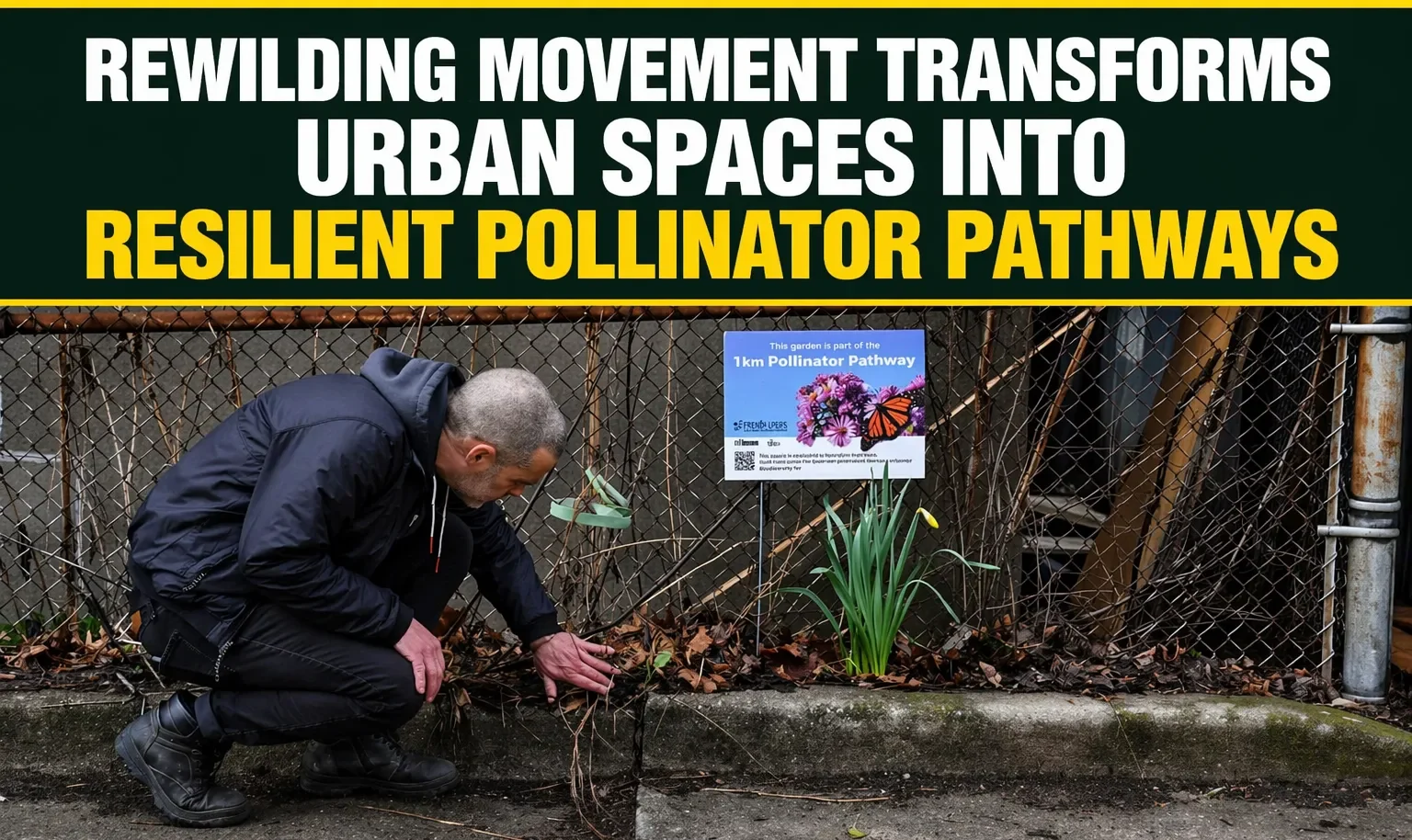
The movement is exemplified by individuals like Adam Barnes, a former music industry professional who transformed a graffiti-tagged Toronto laneway into a “pollinator pathway.” By removing invasive tree-of-heaven and planting native cup plants and little bluestem, Barnes created a habitat where monarchs, bees, and goldfinches now thrive. These small patches of greenery act as an “archipelago of refugia” across the city’s concrete sea. Experts like Professor Nina-Marie Lister from Toronto Metropolitan University note that these native gardens do more than just attract bees; they improve soil quality, soak up stormwater during extreme weather, and help cool the urban heat island effect—essential services as the 2026 spring season brings increasingly volatile temperatures.


In the Durham Region, this philosophy is being embraced through official municipal channels and private partnerships. Oshawa, recognized as a “Bee City,” currently maintains five dedicated pollinator gardens and encourages residents through its Boulevard By-Law to plant native species in place of traditional grass. Furthermore, the “Durham TREES” program—a partnership between the Region and five local Conservation Authorities—is currently offering subsidies of up to 85 per cent for private landowners to plant native forests. These initiatives are critical given that one-fifth of pollinator species in North America are now at risk of extinction due to habitat loss and pesticide exposure.
Despite the clear benefits, the movement faces political headwinds. While cities like Toronto now require developers to use native plants in half of their landscaping, the provincial government has proposed rollbacks on such sustainable design standards. Advocates of the Rewilders Toronto movement argue that such regulations are vital, as the demand for native seeds currently outstrips supply by more than 50 per cent. For volunteers like Rhonda Richardson, who re-wilded a neglected patch outside her local grocery store, the act of planting is a tangible way to “give back” to an environment that often feels like it is falling apart.
As Wednesday marks Earth Day 2026, the message from the re-wilding community is clear: ecological care must be a daily commitment rather than an annual event. By connecting small residential gardens into larger pollinator corridors, citizens are taking ownership of their local environments and building a more resilient future. Whether it’s a medicine garden in a parking lot or a “future forest” on a rural Durham property, the transition toward native plant abundance is proving that nature can—and will—take back over when given the space to grow.