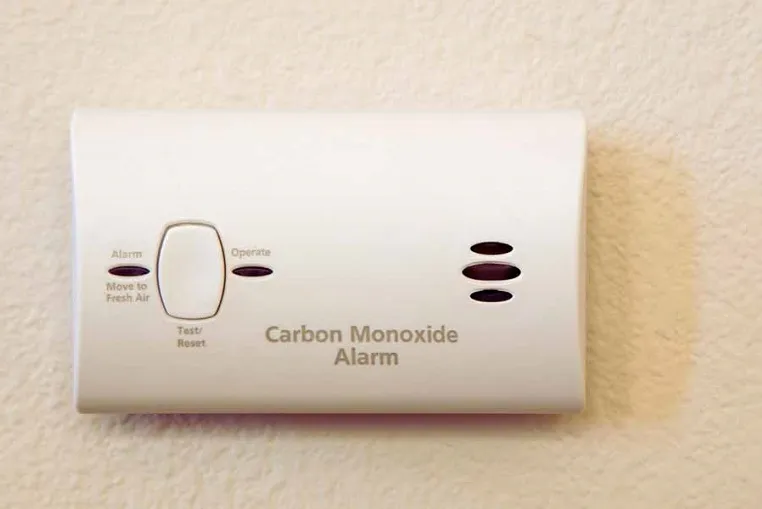
New carbon monoxide (CO) alarm requirements under the Ontario Fire Code will officially take effect on January 1, according to provincial and local fire services. The updated rules are intended to strengthen public safety and reduce the risk of carbon monoxide exposure in homes and residential buildings.
Carbon monoxide is a colourless, odourless and tasteless gas produced when fuels such as natural gas, propane, gasoline, oil or wood do not burn completely. Common sources include furnaces, fireplaces, gas stoves, hot water heaters and generators. Exposure to carbon monoxide can cause headaches, dizziness and nausea, and in severe cases can be fatal.
Under the updated Fire Code, carbon monoxide alarms must now be installed on every storey of a dwelling unit. In multi-unit residential buildings, alarm requirements apply to individual units that contain fuel-burning appliances or have attached garages, and may also extend to shared corridors served by fuel-fired equipment.
Alarms may be hardwired, plug-in or battery-operated, provided they meet recognized safety standards. Building owners and landlords are responsible for installing and maintaining the alarms, while tenants must report any malfunctioning or missing devices.
Ajax Fire and Emergency Services emphasized that carbon monoxide can become deadly within minutes and is often impossible to detect without an alarm. Fire officials are urging residents to review their homes immediately and ensure alarms are installed on every level, near sleeping areas, and are functioning properly.
Fire services also recommend annual inspections of fuel-burning appliances, keeping exhaust vents clear of snow and debris, and never operating generators, barbecues or fuel-burning heaters indoors or inside garages.
Photo Credits : Durham Post