The City of Oshawa is preparing for a significant residential expansion following a decisive move by local government. On April 27, 2026, Oshawa Council officially passed two key by-laws that will pave the way for the Oshawa New Housing Development 2026. This project is set to bring a total of 574 new residential units to the city, split across two strategically chosen locations. As Durham Region continues to face high demand for diverse housing options, these approvals mark a critical step in addressing the municipality’s long-term growth and urban planning goals.
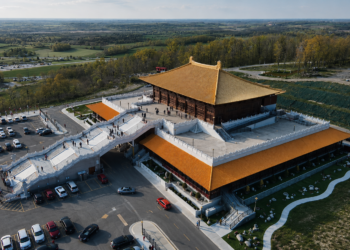
The first major component of the Oshawa New Housing Development 2026 is located at 827 Gordon Street. This site has been rezoned to facilitate the construction of 63 stacked townhomes, each featuring private garages. Beyond residential space, the zoning changes for this location are particularly unique. The city has approved the site to accommodate a medical office and a variety of cultural and professional uses within the existing infrastructure. Future residents could see the addition of an art gallery, museum, music club, or studio space, creating a vibrant, mixed-use environment that blends housing with local arts and professional services.


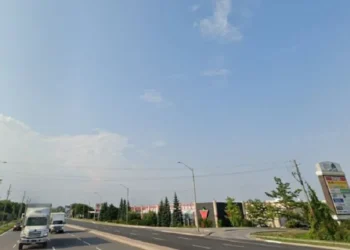
The second and larger portion of the Oshawa New Housing Development 2026 is situated in a rapidly developing corridor of the city. Located east of the upcoming northerly extension of Wilson Road North and south of the future Nancy Diamond Boulevard extension, this area will host 511 residential units across three medium-density blocks. This phase of the project is a massive undertaking that integrates residential living with essential community infrastructure.


According to By-law 34-2026, this development isn’t just about housing; it’s about community building. The plan includes:
-
A dedicated community use block and a portion of a community park.
-
Two open space blocks designed to preserve local greenery.
-
The construction of a new east-west arterial road (the future Nancy Diamond Boulevard).
-
Essential road widening for Wilson Road North to handle the anticipated increase in traffic.
The city has implemented special zoning regulations for these lands to ensure optimal land use. These regulations cover everything from minimum and maximum density requirements to increased lot coverage and building heights. There are also specific mandates regarding landscaped open spaces and parking configurations, including driveway lengths, to ensure the new neighborhood remains aesthetically pleasing and functional for future commuters.
As Oshawa continues to evolve into a premier destination within the Greater Toronto Area, projects like the Oshawa New Housing Development 2026 highlight the city’s proactive approach to urban density. By combining stacked townhomes with medium-density residential blocks and integrating them with professional and artistic spaces, the city is fostering a modern urban fabric. Residents can expect construction activities to begin as the city coordinates the necessary road extensions and infrastructure improvements required to support these 574 new homes.