








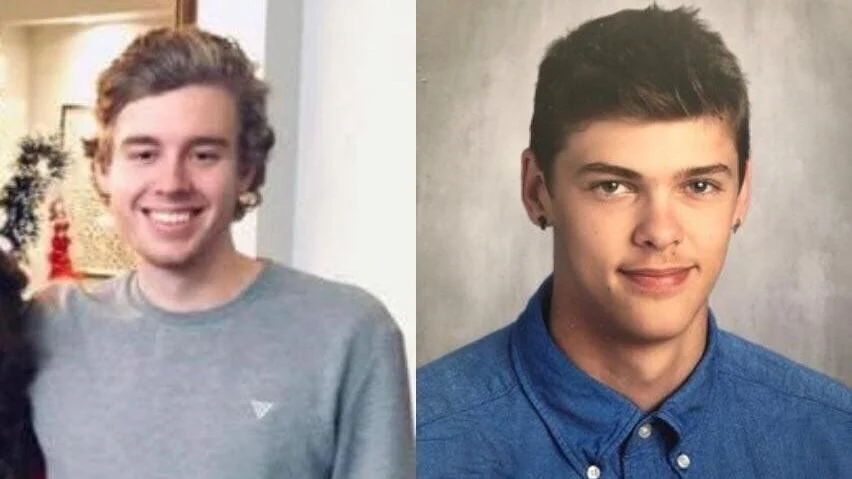
Speaking about the worst moments in our lives can be an excruciating experience. Many people go to great lengths to avoid facing the truth about their actions—using denial, rationalization, and deflection to keep their darkest secrets hidden. Some will bury these memories until they’re on their deathbed, too afraid to confront the consequences of their actions. Others pass away before they can ever admit their wrongdoing. Then there are those who, seeking redemption, courageously share their painful truths with the world.
As a crime reporter, I’ve encountered countless stories of violent acts, but I’ve rarely had the opportunity to speak directly to the individuals responsible for them. When I reached out to Jacob Norn, a 23-year-old who was sentenced to six years in prison for the manslaughter of his friend, Tyler Ginn, I didn’t expect him to agree to an interview. To my surprise, he did.


The story behind this tragedy is deeply heartbreaking. Jacob and Tyler were two young men from good families who found themselves caught in the grip of opioid addiction in small-town Brooklin, Ontario. What began with experimentation with Xanax spiraled into a deadly addiction to fentanyl, a potent and dangerous drug. One fateful day, Jacob passed Tyler $20 worth of fentanyl and cautioned him not to use too much, warning him about its strength. Yet, despite the warning, Tyler died after taking the drug. Jacob’s regret is palpable as he reflects on the situation.

“It’s something I’ll forever be sorry for,” Jacob admitted during our interview at Joyceville Institution in Kingston. “I feel like I let him down. I’m sorry I wasn’t with him. It’s tough knowing you played that role… and you’re part of the reason why.”
The consequences of this tragic event are far-reaching. In 2024 alone, over 7,100 people died from opioid overdoses in Canada, with fentanyl involved in more than 75% of those deaths. This epidemic continues to devastate communities, with young men disproportionately affected.
During our conversation, Jacob spoke candidly about the destructive power of drugs. “Drugs poison your mindset, your beliefs, and values,” he said. “When you think you’re helping someone, you’re actually creating a problem.”
Walking into the prison to conduct this interview was a sobering experience—one that brought me face-to-face with the painful reality of what Jacob’s life has become. Despite the devastating consequences of his actions, Jacob chose to take responsibility. He owned up to his role in the death of his friend, something that many others might try to evade.
Tyler Ginn’s mother, Gayle Fowlie, continues to struggle with the grief of losing her son. The pain she endures is immeasurable, and no one would want to diminish that suffering by portraying Jacob as a victim. The true victims are Tyler and his family.
However, what struck me about this interview was Jacob’s raw honesty. It was a rare moment when excuses and deflections were set aside, and a young man stood up and acknowledged his fault. Jacob said, “I feel like I have to do something in my life to make up for the pain that I’ve caused.”
While nothing can undo the tragedy, Jacob’s willingness to face the truth is a powerful reminder of the importance of accountability in the face of our mistakes.
Photo credits: Durham Region