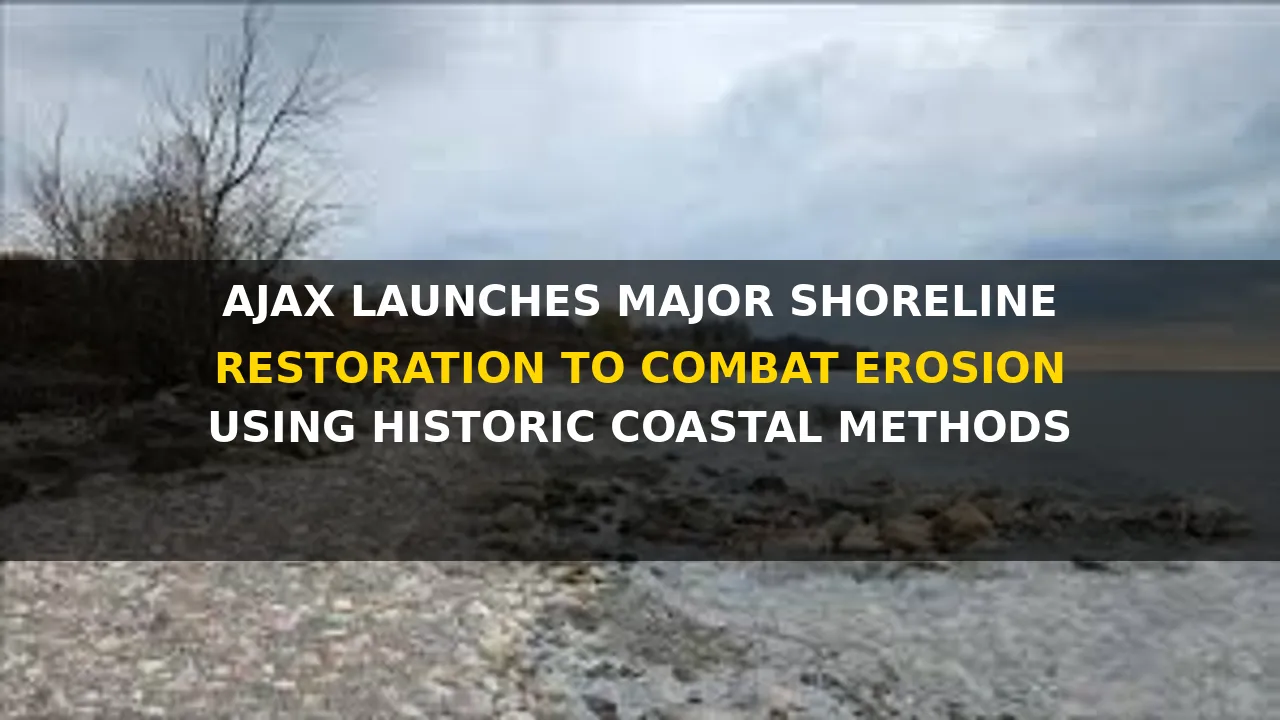
A new chapter in environmental preservation has begun in Ajax as crews break ground on a massive project to stabilize the town’s deteriorating waterfront. The shoreline restoration initiative, a partnership between the TRCA and the Canada Water Agency, aims to protect the Waterfront Trail and surrounding infrastructure by mimicking the natural, rugged coastlines that existed centuries ago. Funded by the federal Great Lakes Freshwater Ecosystem Initiative, the project represents a shift toward nature-based engineering in the Durham Region, prioritizing long-term ecological health over temporary fixes.
Engineering with Nature: The Cobble Approach
For over 60 years, Ajax Waterfront Park has been a cornerstone of the community, but decades of relentless wave action have led to severe erosion. Instead of installing vertical seawalls, which often displace erosive energy to neighboring areas, this shoreline restoration utilizes a strategic mix of cobbles and larger armor stones.
According to a statement from the TRCA, this method allows natural lake processes to complete the work. Over time, wave action will shift the cobbles into a stable, gradual slope. Much of the heavier material is designed to remain submerged, providing two primary benefits:
-
Stability: Creating a permanent foundation that absorbs wave energy.
-
Habitat: Improving the aquatic environment for fish and shoreline species by creating crevices and natural shelters.
Phase One and Future Waterfront Vision
Construction is officially underway on the first phase of the project. This initial work is part of the broader “Land to Lake Initiative,” which views the shoreline as a holistic system rather than isolated segments of land. As the first phase nears completion, future stages of the shoreline restoration are planned to expand eastward toward Veteran’s Point Gardens and westward toward Lion’s Point.
These future phases are essential for protecting the Waterfront Trail, a vital artery for cyclists and pedestrians in the Durham Region. In several areas, the trail had become precariously close to the edge of receding bluffs, necessitating emergency repairs and temporary closures in recent years.
A Model for Great Lakes Preservation
The Ajax project is being watched closely as a potential model for other municipalities within the Durham Region, such as Whitby and Pickering, which face similar shoreline challenges. By utilizing nature-based solutions, the town is not only protecting multi-million dollar infrastructure but also enhancing the aesthetic and biological value of the park.
While the specific dollar value of the federal grant was not disclosed at the project launch, the collaboration between the Canada Water Agency and local project partners ensures that the shoreline restoration will have the scientific backing needed to withstand the “100-year storms” that are becoming increasingly common. For residents of Ajax, the project promises a waterfront that looks more like its historic self while offering modern-day protection against the elements.