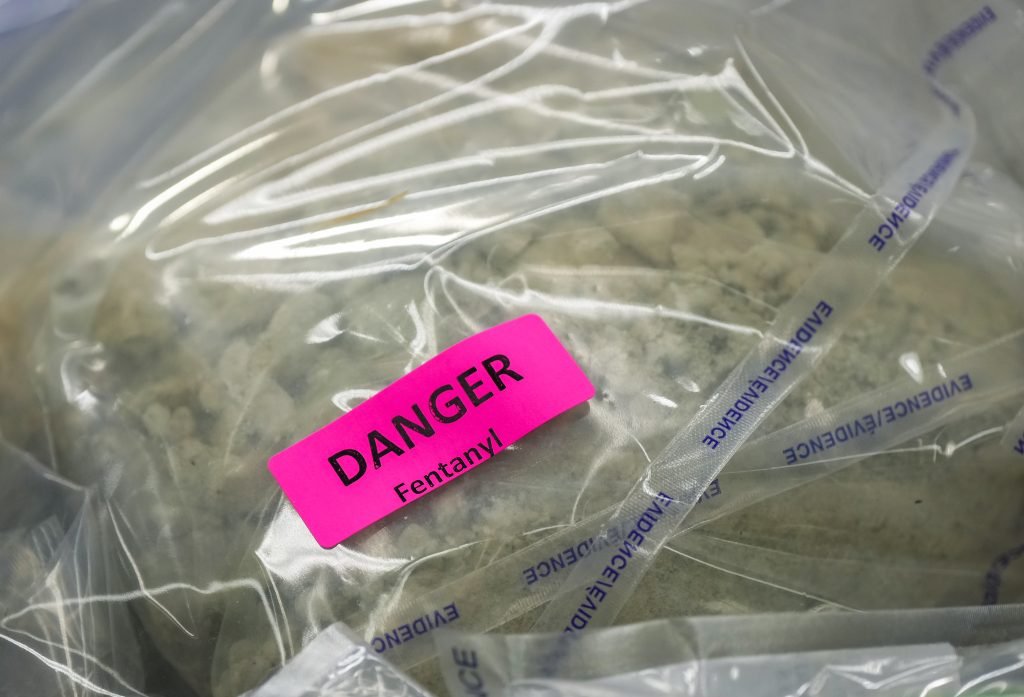
Health Canada has announced new regulatory changes aimed at limiting access to chemicals and equipment commonly used in the illegal production of fentanyl and methamphetamine, as part of broader efforts to combat the overdose crisis and organized crime.
Under amendments to regulations within the Controlled Drugs and Substances Act, companies that manufacture, distribute, or sell precursor chemicals will now be required to report suspicious transactions and take reasonable measures to prevent diversion of these substances into illegal markets.


The updated rules also expand conditions governing the sale of certain health products containing ephedrine and pseudoephedrine, substances known to be misused in the production of methamphetamine. Health Canada says these changes are intended to reduce the risk that legally sold products are diverted for illicit drug manufacturing.


In addition, the federal government is moving to restrict access to drug-manufacturing equipment, including pill presses, by tightening controls and requiring import registration for specific component parts.
While many of the regulated chemicals have legitimate uses in industries such as pharmaceuticals, fragrances, and food flavouring, Health Canada notes they are also frequently exploited by criminal organizations involved in synthetic drug production.
The agency says the new measures are designed to disrupt both illegal domestic drug production and the importation of chemical ingredients and equipment, while also strengthening the ability of border officials to intercept prohibited items.
According to Health Canada, the majority of overdose deaths in Canada involve illegally produced fentanyl, with police reporting a rise in both domestic manufacturing and the diversion of chemical precursors.
“The amendments will help disrupt illegal drug production by organized crime groups, reducing the availability of these harmful substances in Canada and lowering the risk of their illegal export,” Health Canada said in a regulatory summary.
Ephedrine and pseudoephedrine, which are legally sold in some non-prescription and natural health products as decongestants, have long been associated with misuse. Health Canada says evidence suggests some of these products have also been promoted or purchased for non-medical purposes such as weight loss, increased energy, or athletic performance, raising further concerns about diversion.
Photo Credits : Insauga