






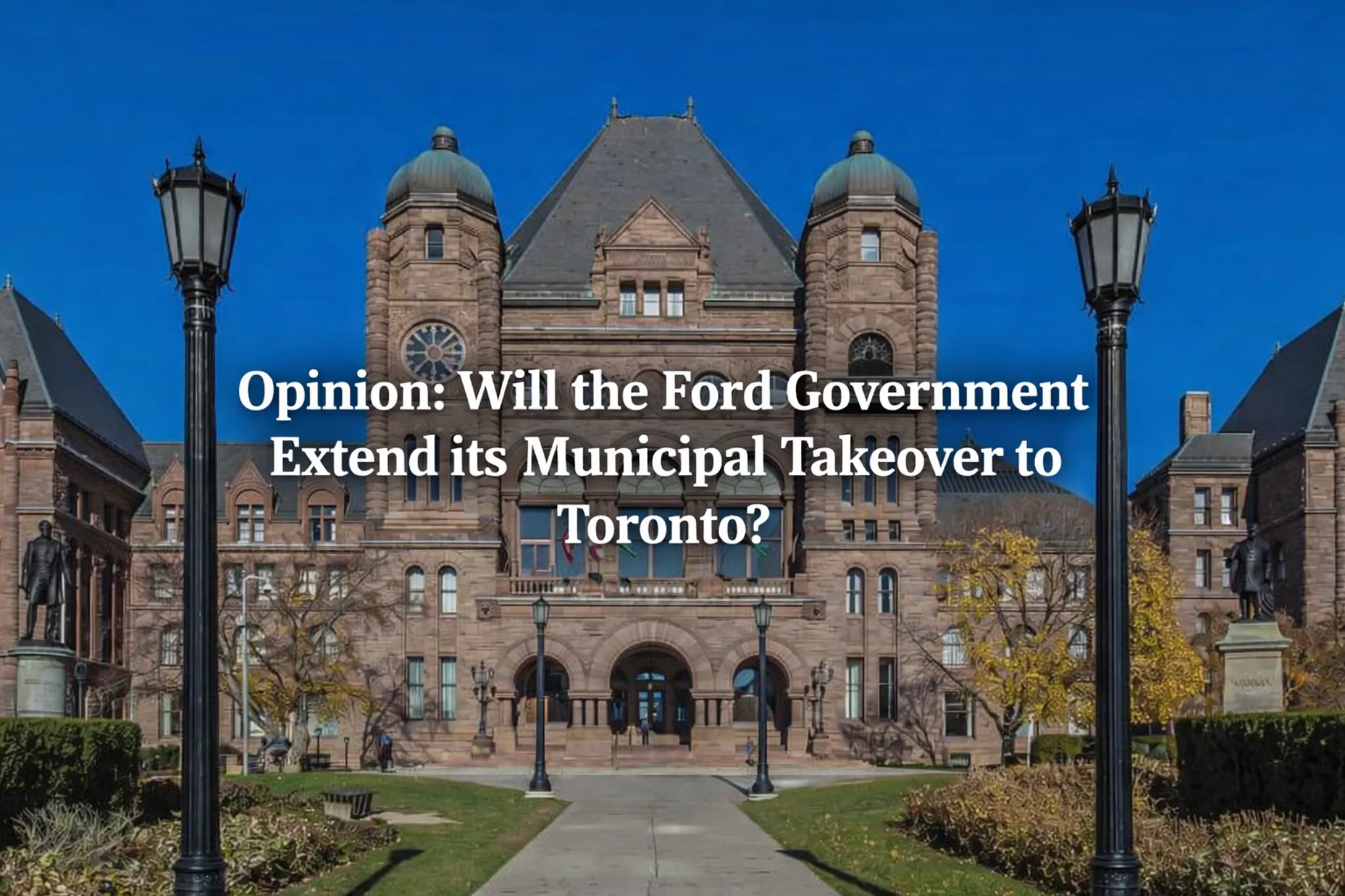
An opinion piece published by the Durham Post is raising alarms over the provincial government’s perceived overreach into local democracy. The central question—can Ford seize control of Toronto in the same way he is attempting to do with the Region of Durham?—is currently at the forefront of municipal political debates across Ontario.
The Better Regional Governance Act, 2026
The controversy centers on the newly introduced Better Regional Governance Act, 2026. If passed, this legislation would grant the Minister of Municipal Affairs and Housing the unprecedented power to directly appoint regional council chairs in eight fast-growing regions, including Durham, Halton, York, and Peel. This effectively bypasses the democratic election process where local residents or councillors typically select their own chief executives.


Furthermore, these appointed officials would be granted “strong chair” powers. Similar to the “strong mayor” powers already active in many cities, these authorities allow a chair to propose budgets, veto certain bylaws, and hire or fire key municipal staff without a standard majority vote from the council.

Durham vs. Toronto: A Selective Takeover?
The author of the opinion piece points out a glaring inconsistency in the province’s approach. While smaller and mid-sized regions like Durham are seeing their democratic processes replaced by provincial appointments, larger and more powerful municipalities like Toronto have maintained their ability to elect their own leaders.
The provincial government’s rationale is that this change will “support lower costs for municipal taxpayers” and ensure that regional decision-making is in sync with provincial priorities, such as housing and transit. However, critics argue that this comes at a significant cost to transparency and public accountability. Residents in Whitby, Oshawa, and Ajax may soon find that major decisions affecting their daily lives are being made by a provincially installed official rather than an elected representative.
The Risk to Local Democracy
The core concern for residents in the Durham Region is the loss of a local voice. If the Minister installs their own choice for Regional Chair, the line between local municipal needs and provincial political agendas becomes blurred. While the government claims this will provide “faster results,” the piece argues that it removes the check and balance that voters provide.
Whether the province will eventually seize control of Toronto remains to be seen, but the current targeting of the eight regional municipalities suggests a strategy of consolidating power in the GTA’s surrounding areas. As the bill moves through Queen’s Park, voters in Pickering, Clarington, and the northern townships are being urged to consider whether these “strong chair” powers offer efficiency or simply erode the foundations of local governance.