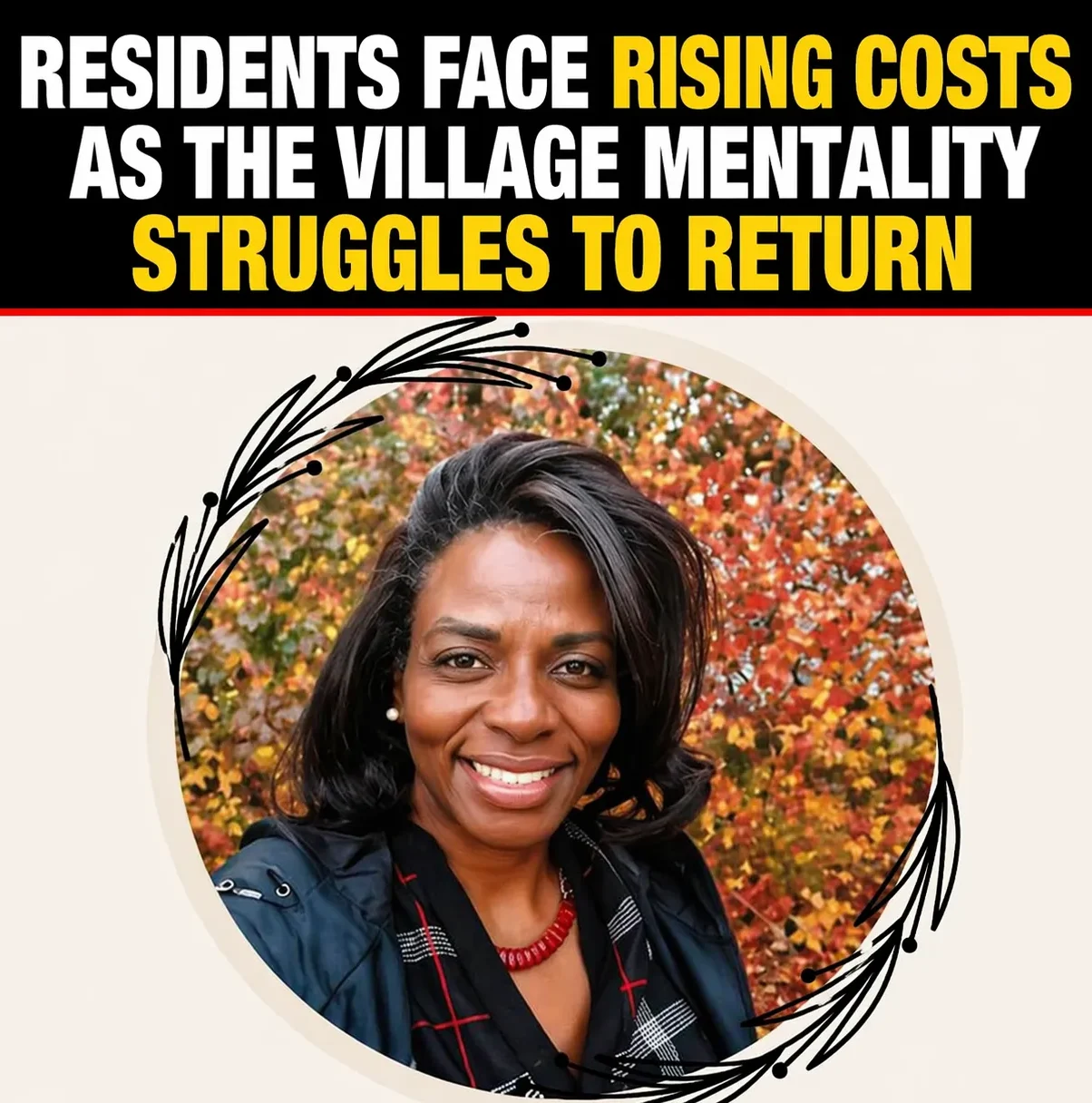
In a poignant reflection on the current economic climate, local writer Renae Jarrett explores the growing visibility of the cost of inflation in Ajax and the surrounding communities. As homelessness, encampments, and reliance on food banks reach record highs across the country, the struggle for basic survival has moved from an invisible hardship to a public crisis. With Food Banks Canada reporting over 2 million visits in a single month and the nation grappling with the highest debt-to-income ratio in the G7, many residents find themselves adopting a desperate mantra: “We’ve got to live, so no matter what the price, we’ll pay it.”
Jarrett shares personal anecdotes of meeting individuals like Robert, who stood outside an Ajax TD Bank seeking any available work, and a woman at a local Sobeys struggling to afford essential diabetes medication. These stories highlight the “story within the story” for the many people currently experiencing displacement. The editorial suggests that while inflation is felt at the pumps and grocery stores, the deepest impact is the erosion of the “village mentality.” Historically, families and neighbors acted as a safety net, but today, pride, shame, and a heavy reliance on government policy have altered that original blueprint of community support.
The Town of Ajax recently held a community meeting to address the homelessness crisis, providing statistics and resources for both the unhoused and local business owners. During the session, many citizens questioned whether private corporations could play a larger role in the solution. The piece argues that the breakdown of family and community structures is a tragic contributor to the current situation. For many, the “can’t” of the financial struggle has become a reality because they no longer possess the homes or vehicles that once provided a semblance of stability.
Jarrett notes that the word “Canada” is derived from the Iroquoian word kanata, meaning village. However, the current cost of inflation in Ajax has pushed that village to its breaking point. The author reflects on her own past, recalling a time two decades ago when she had to sell items at a pawnshop to cover basic needs, illustrating that financial precariousness is not a new phenomenon, but one that has intensified significantly in 2026. The piece serves as a call to action for residents to overcome the barriers of shame and reach out to one another, revitalizing the spirit of the village to face the challenges that government policy alone has failed to solve.
Ultimately, the editorial posits that while government reliance has often usurped the role of the neighbor, the original community structure remains the most effective defense against economic decline. As the residents of Durham Region navigate the high costs of housing and rent, the need for a “we got you” attitude among friends and neighbors has never been more vital. By acknowledging the human stories behind the statistics found at local banks and grocery stores, the community can begin to address the root causes of the suffering seen on the streets of Ajax.