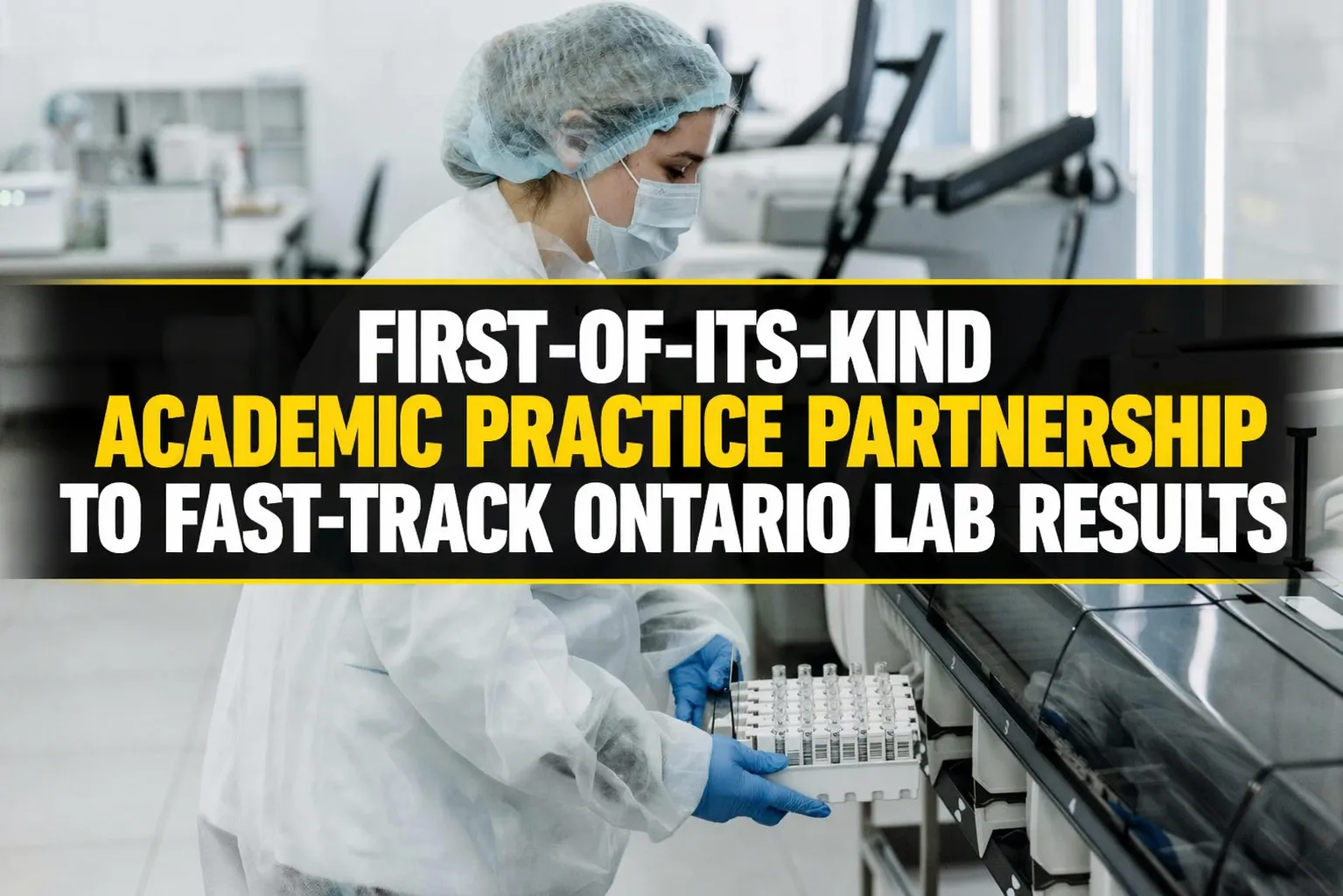
In a direct response to a “crisis level” shortage of laboratory professionals, a landmark academic practice partnership has been launched to overhaul how medical technologists are trained and hired in Ontario. The initiative links Humber Polytechnic’s advanced diploma programs with the William Osler Health System and global medical technology leader Becton Dickinson (BD). By creating a “living lab” environment, the program establishes a direct pipeline from the classroom to the clinical floor at facilities like Brampton Civic and Etobicoke General. This collaboration ensures that students train on the exact high-end microbiology and hematology equipment they will use on the job, effectively eliminating the typical “onboarding” lag that often delays critical diagnostic results.
The stakes for this academic practice partnership are incredibly high. Data from the Medical Laboratory Professionals’ Association of Ontario (MLPAO) reveals that 70 per cent of all medical decisions—from cancer diagnoses to diabetes management—rely on lab results. Currently, 68 per cent of Ontario labs report significant staff shortages, with 40 per cent admitting these vacancies are directly slowing down testing turnaround times. By doubling the student intake for the winter session and preparing for a massive 2026 fall enrollment, Humber and Osler aim to flood the system with “job-ready” clinicians who are already familiar with hospital policies and diverse community needs before they even graduate.


For patients in the Durham Region and beyond, the success of this model could mean the difference between waiting days or just hours for life-altering biopsy results. Tiziana Rivera, Osler’s Executive VP of Quality, noted that the partnership allows 100 per cent of their current lab staff to be trained as “welcoming preceptors,” ensuring a culture of continuous learning and higher employee satisfaction. This “intentional collaboration” is designed to be a template for other regional health hubs, such as Lakeridge Health, which face similar pressures from an aging population and the rise of complex new viruses.


The provincial government has taken a keen interest in the program, specifically asking Humber to expand capacity to meet the high volume of applications. Students like Mahi Patel, currently in the MLA program, highlight that having professors who are active hospital clinicians provides “real-time experience” that theoretical textbooks cannot match. The curriculum focuses on sophisticated equipment used in transfusion medicine, histology, and clinical chemistry—areas where the MLPAO says the “impending staffing crisis” is most dire. As students begin their clinical placements this month, the goal is clear: increase quality, speed, and accuracy to get patients out of “medical limbo.”
As the healthcare landscape continues to evolve, this academic practice partnership serves as a vital proof-of-concept for solving systemic labor shortages through industry-academic synergy. By fall 2026, the program expects to have 80 active spots for prospective technologists and assistants. If successful, this model will likely be scaled across the province, helping to ensure that the next time a resident undergoes a blood test or biopsy, the system is staffed and ready to provide answers with the urgency that modern medicine demands.