This news is related to Durham Region (as participants from major Durham-based institutions, such as Ontario Tech University and Durham College, frequently compete in and have previously won awards at Sheridan’s hackathons).
Is it a duplicate? No, it is not a duplicate. While Sheridan College has hosted “Hackville” in previous years, this report details the 2026 return of the specific BearHacks 36-hour hackathon brand and its current focus on AI and the shifting tech job market.


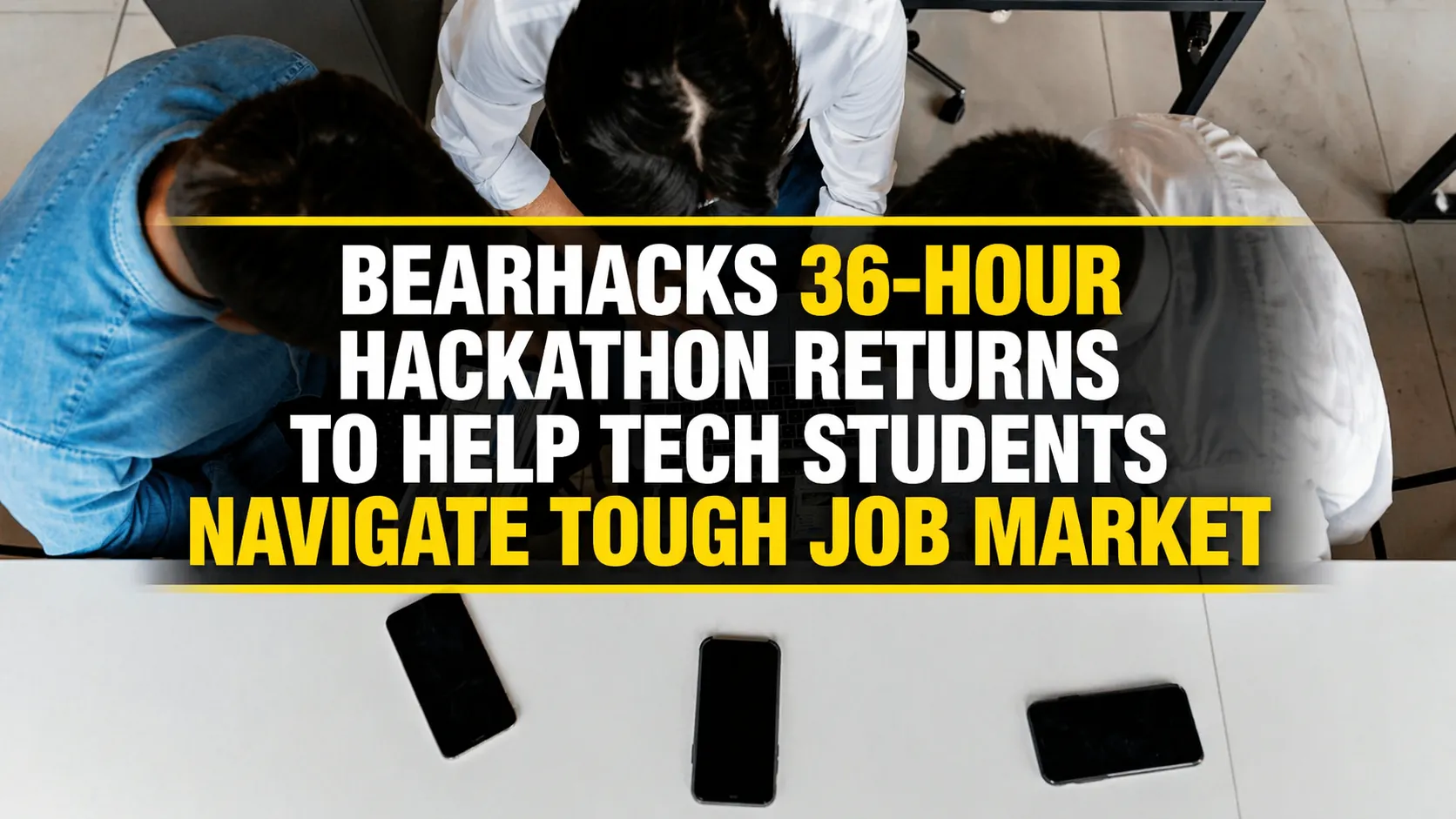
BearHacks 36-Hour Hackathon Returns to Help Tech Students Navigate Tough Job Market
As the technology sector grapples with the rapid rise of AI and a cooling internship market, Sheridan College is launching its largest student-led innovation event to date. From April 24 to 26, 2026, the BearHacks 36-hour hackathon will take over the Hazel McCallion Campus in Mississauga, drawing 200 elite participants from across the Greater Toronto and Hamilton Area. This “creative sprint” challenges teams to build functional software or hardware from scratch within a single weekend. While the specific theme remains a secret until the opening ceremony, organizers have confirmed a heavy emphasis on practical, portfolio-ready projects that can help students stand out to the recruiters attending from major firms like Scotiabank.


The BearHacks 36-hour hackathon is more than just a coding competition; it is a vital networking hub for students facing an “extremely difficult” job market. Directors Imran Yafith and Taimoor Aleem, both recent computer science graduates, designed this year’s event to bridge the gap between academic theory and industry demands. With over 750 applicants vying for just 200 spots, the selection process was highly competitive, ensuring a high-caliber environment for the $7,000 in prizes up for grabs. To support this intensity, the event is partnering with Major League Hacking (MLH) to provide a “hardware lab” filled with micro-computers and controllers, allowing participants to experiment with physical tech alongside their software builds.
The logistics of the event are tailored for a true “sprint” experience, with the college providing meals, snacks, swag, and dedicated sleeping rooms for those who choose to take a break from the caffeine-fueled work sessions. Beyond the main competition, attendees can participate in workshops focused on “soft skills” like pitching and professional networking—skills that the organizers say are now just as important as technical proficiency in the post-COVID industry. For students from Durham-based institutions who have made the trip, the event offers a rare chance to benchmark their skills against peers from across the province while meeting directly with industry judges and professors.
For those interested in the results, the winning projects will be announced on the official BearHacks Instagram following the final judging on Sunday afternoon. As the second year Sheridan has hosted this specific brand of hackathon, BearHacks is quickly becoming a staple of the Ontario student tech scene, rivaling long-standing events like UTM’s DeerHacks. By providing a free, inclusive environment for beginners and seasoned hackers alike, the college is ensuring that the next generation of developers is not just learning to code, but learning how to innovate under pressure and secure their futures in an evolving digital economy.